Syncope Videos Cardiac Arrhythmia Suspends Blood Flow To Brain
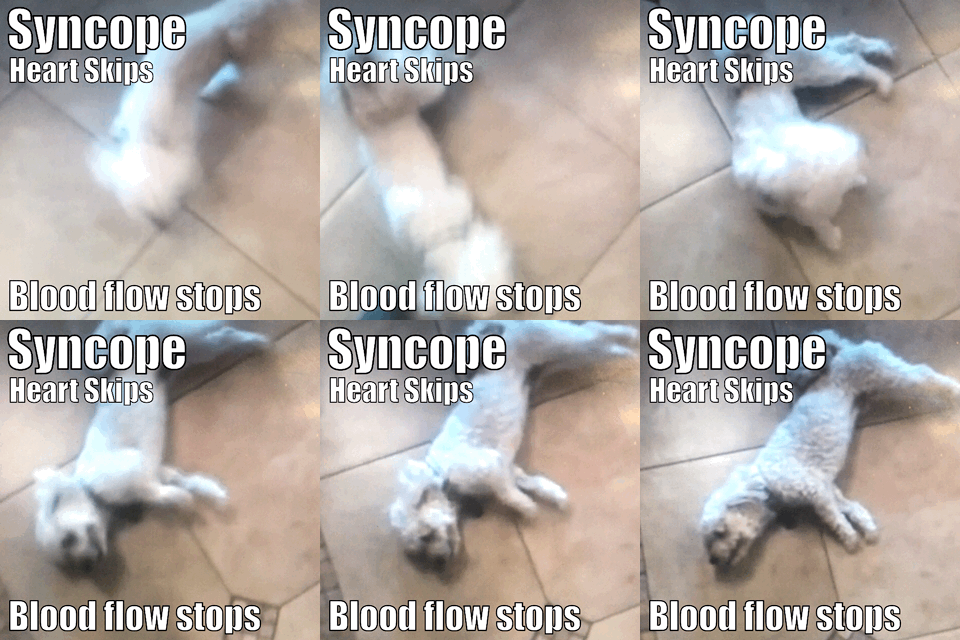
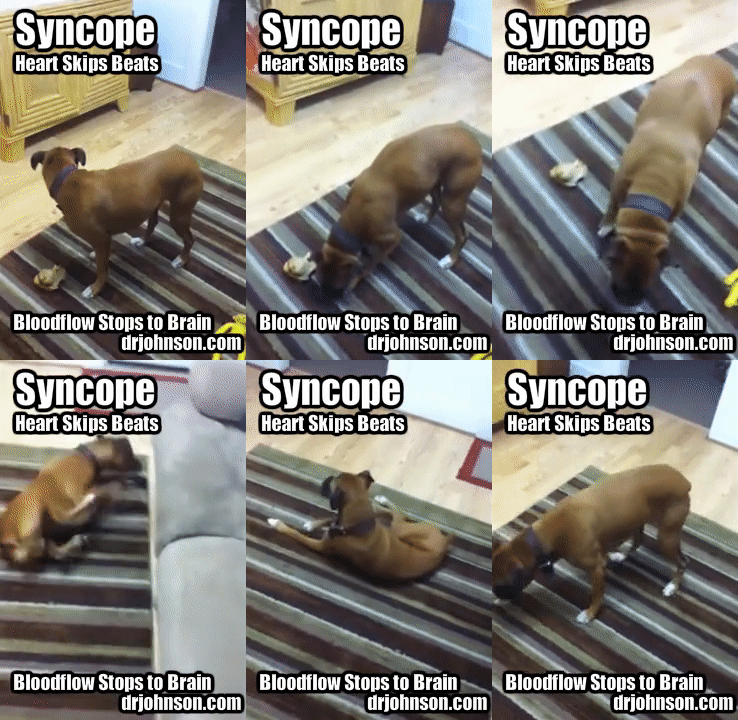
These images animate but it takes a minute or two, then they are smoother.
Hallmarks of Syncope:
- Blue tongue while down
- Very short events
- They get up pretty fast
- Eyes don’t dart back and forth
- They don’t chew or paddle

Below is a plain-language client education sheet you can hand to dog owners. It avoids jargon but stays medically accurate.
⸻
Canine Syncope (Fainting) — What Dog Owners Need to Know
What is syncope?
Syncope (pronounced SIN-kuh-pee) means a sudden, brief loss of consciousness—basically, a fainting episode. It happens when the brain doesn’t get enough blood or oxygen for a short time. Most dogs recover quickly, but syncope is a symptom, not a disease, and it often points to an underlying problem that needs attention.
⸻
What does syncope look like?
Owners often describe it as:
• Sudden collapse or falling over
• Dog becomes limp or stiff, sometimes for a few seconds
• Unresponsive, but usually wakes up on their own
• May appear confused or weak for a short time afterward
• Normal behavior returns quickly (minutes)
Important distinction
Syncope is not the same as a seizure:
• No prolonged paddling
• No loss of bladder control in most cases
• No long post-episode disorientation
That said, syncope can look scary, and video recordings (if safe to obtain) are very helpful for your veterinarian.
⸻
When does syncope usually happen?
Common triggers include:
• Exercise or excitement
• Coughing or gagging
• Standing up quickly
• Stress or anxiety
• Heat
⸻
Age patterns
Age group Common concerns
Puppies / young dogs Congenital heart defects, abnormal heart rhythms
Middle-aged dogs Valve disease, airway problems, early rhythm disorders
Senior dogs Heart disease, slow heart rhythms, tumors affecting the heart
⸻
Breeds more commonly affected
Certain breeds have higher risk due to anatomy or inherited heart conditions:
Small & toy breeds
• Cavalier King Charles Spaniel
• Chihuahua
• Pomeranian
• Yorkshire Terrier
(Often related to heart valve disease or collapsing trachea)
Medium & large breeds
• Boxer
• Doberman Pinscher
• German Shepherd
• Great Dane
(Often related to abnormal heart rhythms or cardiomyopathy)
⸻
Common causes of syncope
1. Heart-related causes (most common)
• Abnormal heart rhythms (too slow or too fast)
• Valve disease
• Weak heart muscle
• Congenital heart defects
2. Airway or breathing problems
• Collapsing trachea
• Severe coughing fits
• Brachycephalic airway syndrome (short-nosed breeds)
3. Nervous system reflexes
• Over-stimulation of the vagus nerve
• Pressure in the neck (tight collars, pulling on leash)
4. Metabolic or systemic causes
• Low blood sugar
• Severe anemia
• Dehydration
• Certain medications
⸻
How serious is syncope?
The seriousness depends entirely on the cause, not the fainting itself.
Morbidity (impact on quality of life)
• Mild or treatable causes:
Many dogs live normal or near-normal lives with management.
• Cardiac rhythm disorders:
Episodes may become more frequent or severe without treatment.
• Advanced heart disease:
Can limit activity and require long-term care.
Mortality (risk of death)
• Benign or airway-related syncope:
Low direct mortality
• Serious cardiac causes:
Reported 1-year mortality ranges from ~20–50%, depending on diagnosis
• Untreated malignant arrhythmias:
Risk of sudden death, though this is not the most common outcome
Early diagnosis significantly improves outcomes.
⸻
When should you seek veterinary care?
Immediately if:
• Syncope happens more than once
• Episodes occur during exercise
• Your dog is older or a high-risk breed
• You notice coughing, breathing difficulty, weakness, or collapse
⸻
What tests might be recommended?
• Physical exam and heart auscultation
• ECG (heart rhythm test)
• Chest X-rays
• Echocardiogram (heart ultrasound)
• Blood work
• Holter monitor (24-hour ECG, in some cases)
⸻
What can owners do at home?
• Avoid over-exertion until evaluated
• Use a harness instead of a neck collar
• Keep your dog cool and hydrated
• Record episodes (time, activity, duration)
⸻
Bottom line
Syncope is never normal, but it is often manageable once the cause is identified. Prompt veterinary evaluation can be lifesaving—and many dogs do very well with proper treatment.